Dashain and Tika

Ruby Rai
10/01/2025 10:30 PM EDT2 min read

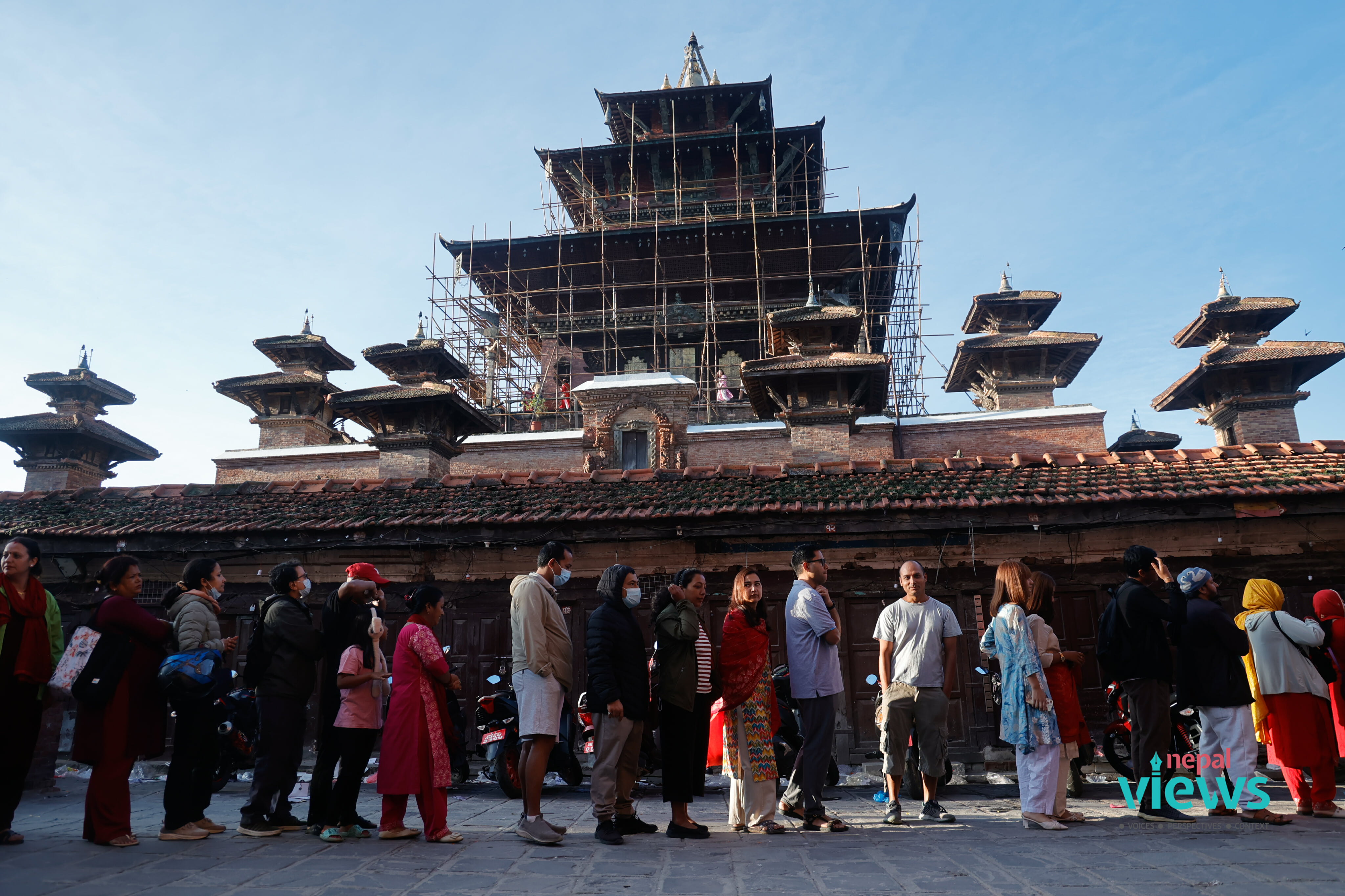
Kathmandu: Dashain, one of Nepal’s most important Hindu festivals, symbolizes the triumph of good over evil. People are celebrating Vijaya Dashami or Tika on Thursday.
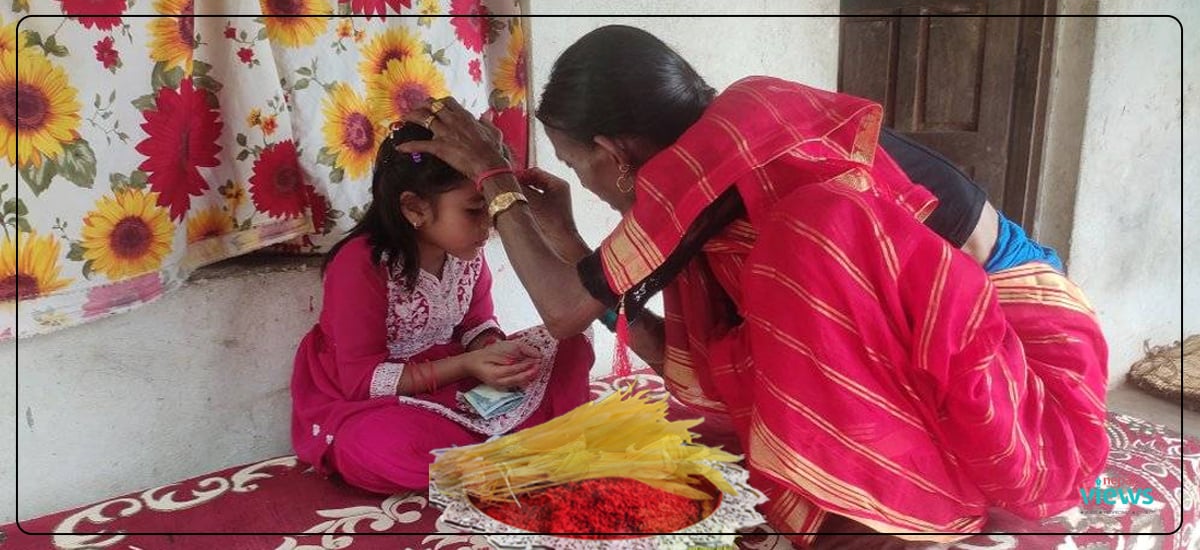
There is a tradition of putting a Tika from the elder members of the family. The Tika is regarded as the prasad of Goddess Durga. The water from the Ghada, placed with water in Puja Kotha on Ghatasthapana, is sprinkled before offering Tika. According to the Committee, the one offering Tika must be looking in the east direction, and the one getting Tika must be looking in the west direction.
Tika, Jamara, is offered as the prasad of Devi. There is a tradition of receiving and offering Tika till Kojagrat Purnima Vijaya Dashami. The day is regarded as one of the most important days among the first 10 days of the festival.
According to Hindu mythology, Dashain commemorates the victory of Goddess Durga over the demon Mahishasura, who was defeated after nine days of battle. The tenth day, known as Vijaya Dashami, marks this divine victory.
The festival begins with Ghatasthapana, where jamara (barley seeds) are sown in a sacred space known as the Dashain Ghar. On the seventh day, Fulpati is celebrated, a ritual in which auspicious items like sugarcane, banana stalks, turmeric, paddy plants, and sacred leaves are brought—traditionally from Gorkha to Kathmandu—as symbols of prosperity.
On Maha Ashtami, the eighth day, devotees perform animal sacrifices in honor of Goddess Durga and prepare festive feasts. The ninth day, Mahanavami, is observed with Ayudha Puja, where people worship tools, weapons, and vehicles—seeking the goddess’s protection in daily life.
The tenth day, Vijaya Dashami, is the most significant. On this day, elders bless younger family members by placing a red tika (a mixture of vermillion, yogurt, and rice) on their foreheads, along with jamara, symbolizing victory, good fortune, and family unity.
As Nepal is a multicultural and multiethnic country, Dashain traditions vary across communities. While most Hindu families use the red tika, some ethnic and indigenous groups, such as the Kirati, use the white tika or observe different customs, reflecting the country’s rich cultural diversity.
Gurung, Magar, Rai, Limbu, and Tharu communities prefer white Tika. But even among these communities, some families prefer red tika. The Kirat community prepares Tika by mixing rice grains with the curd and offering tika. People believe that this tradition began when vermilion powder was not produced in significant amounts in the nation. However, with the increase in imports of the powder from India and an increase in people selling and even producing the powder in Nepal, people started preparing red Tika.
Ruby Rai
10/01/2025 10:30 PM EDT2 min read