Kathmandu–Delhi–Lucknow Triangle: New Dimensions of an Ancient Relationship
A shared digital future, green development, and powerful innovation partnerships must guide the next phase of Nepal–India cooperation. And Delhi and Lucknow have a major role in shaping Nepal’s tourism future.

Navraj Pandey
07/27/2025 04:18 AM EDT9 min read
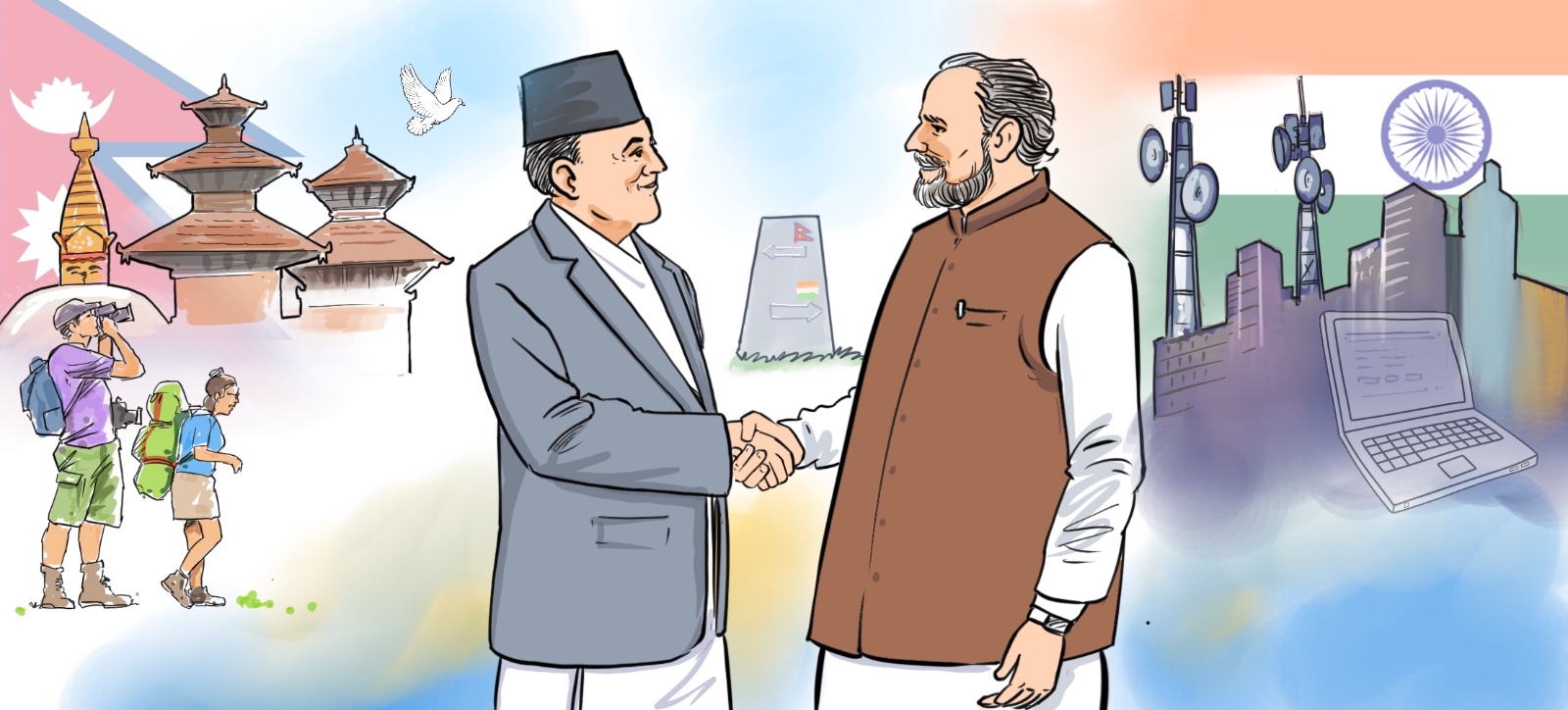

Kathmandu is the capital of Nepal, New Delhi of India, and Lucknow of India’s northern state, Uttar Pradesh. In ancient times, this modern South Asia— known as Bharatvarsha, Jambudweep, or Himavat Khand—witnessed these three cities and civilizations develop their own distinctiveness and significance. This ancient relationship now seeks expression in a new dimension.
There’s no need to elaborate on the power dynamics between Kathmandu and New Delhi. In political, cultural, and practical affairs, Kathmandu and Delhi have become almost complementary to each other. But why bring Lucknow—Nepal’s nearest Indian city—into a ‘triangular’ city relationship?
It takes less than 120 minutes to reach New Delhi from Kathmandu by air. However, while the geographical distance is short, the mental and strategic distance remains wide. These two power centers continue to assess each other through their own lenses. As strategic as their relationship is, it is also indispensable. These two cities simply cannot ignore each other.
This time, I had the opportunity to travel for a week across Delhi and Lucknow. During the visit, I clearly sensed that the ancient relationship among these cities is beginning to manifest in a new dimension.
We often see Delhi and Lucknow as political and cultural centers, but these cities can play a decisive role in Nepal’s rapid economic development. The ancient connection is cultural and social. For a long time, political and strategic ties dominated. Now, the foundation of this relationship must be economic.
While observing Delhi and Lucknow’s potential and strengths through Kathmandu’s lens, I felt: for Kathmandu, Delhi and Lucknow represent major economic opportunities.
Nepal and India share a long open border. Once, this open border reflected the possibilities of Kolkata, Patna, and Banaras for Kathmandu. Now, that connection has ‘shifted’ to New Delhi and Lucknow. Open borders are not limited to politics, administration, and security concerns. They become a way of life—religiously, economically, socially, and culturally. For millions in the border region, the open border is part of daily life. But what is a sustainable and fruitful policy for managing the open border? This remains unclear. During the visit, I felt this deeply. It seemed that border areas are searching for a clear new direction from both sides.
Nepal has been using the open border for religious tourism, agriculture, trade, healthcare, and labor access. Easy entry into Indian markets has expanded the flow of Nepal’s agricultural products, industrial goods, and services. Employment, healthcare, educational opportunities, and business partnerships are also benefits. However, the tendency to weaponize the open border politically has, at times, hindered these benefits.
With rapid technological advancement, the influence of social media, and generational shifts, the time has come for Nepal to view the open border not as a political tool but as an opportunity for economic prosperity, technological innovation, and regional cooperation. Expanding partnerships with cities like Delhi and Lucknow and institutionalizing the possibilities created by the open border is the need of the hour.
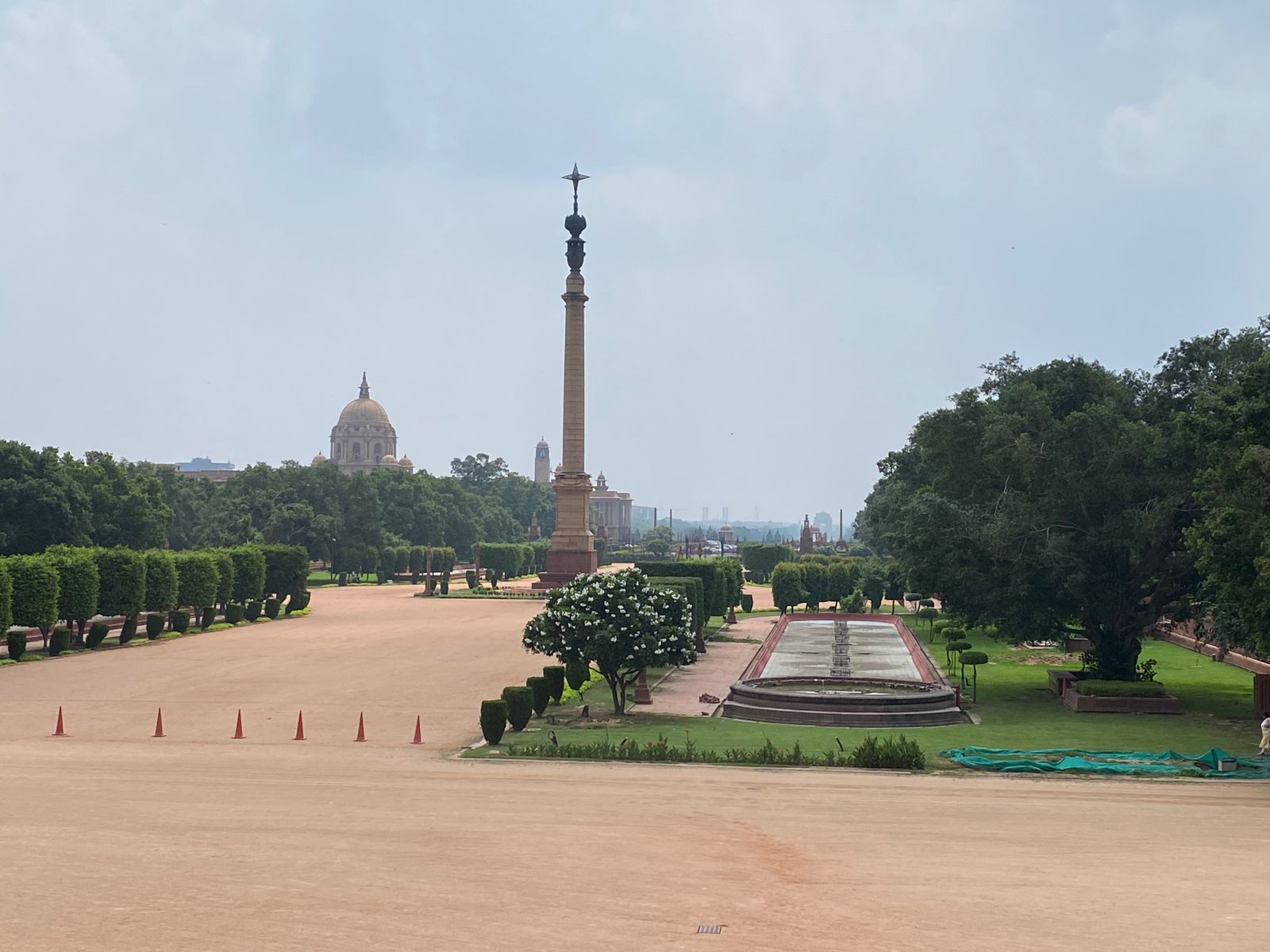 Rastrapati Bhavan, New Delhi
The emotional foundation of the traditional roti–beti relationship cannot always remain sustainable and mutually beneficial. The new generation must redefine Nepal–India relations in a contemporary context. For the ‘Alpha Millennials,’ this relationship must evolve into a multidimensional partnership rooted in artificial intelligence (AI), robotics, the Internet of Things (IoT), the digital economy, academic collaboration, and startup culture.
The benefits of the open border between Nepal and India are not limited to the Terai or border areas. Citizens in Nepal’s hills, Himalayas, and urban regions also benefit, directly or indirectly. However, the false perception that only border communities gain from the open border remains widespread. It’s unfounded. Traders, laborers, farmers, students, and entrepreneurial youth—citizens from all regions—are inspired by this system and contribute to national prosperity.
This means that while respecting traditional emotional ties, Nepal must now align with the needs of a new generation—by embracing the digital era, green development, and entrepreneurial capacity. Only then can Nepal–India relations be transformed into a long-term, inclusive, and future-oriented model.
In New Delhi, a living example of planned urban development and green initiatives, change isn’t confined to government announcements—it’s visible on every road, park, public transport system, and in citizen behavior.
The greenery around Rashtrapati Bhawan, the efficient metro service, and clean underpasses and flyovers demonstrate modern urban management. Technology that creates dense forests in small areas has helped reduce urban heat, conserve biodiversity, and maintain environmental balance.
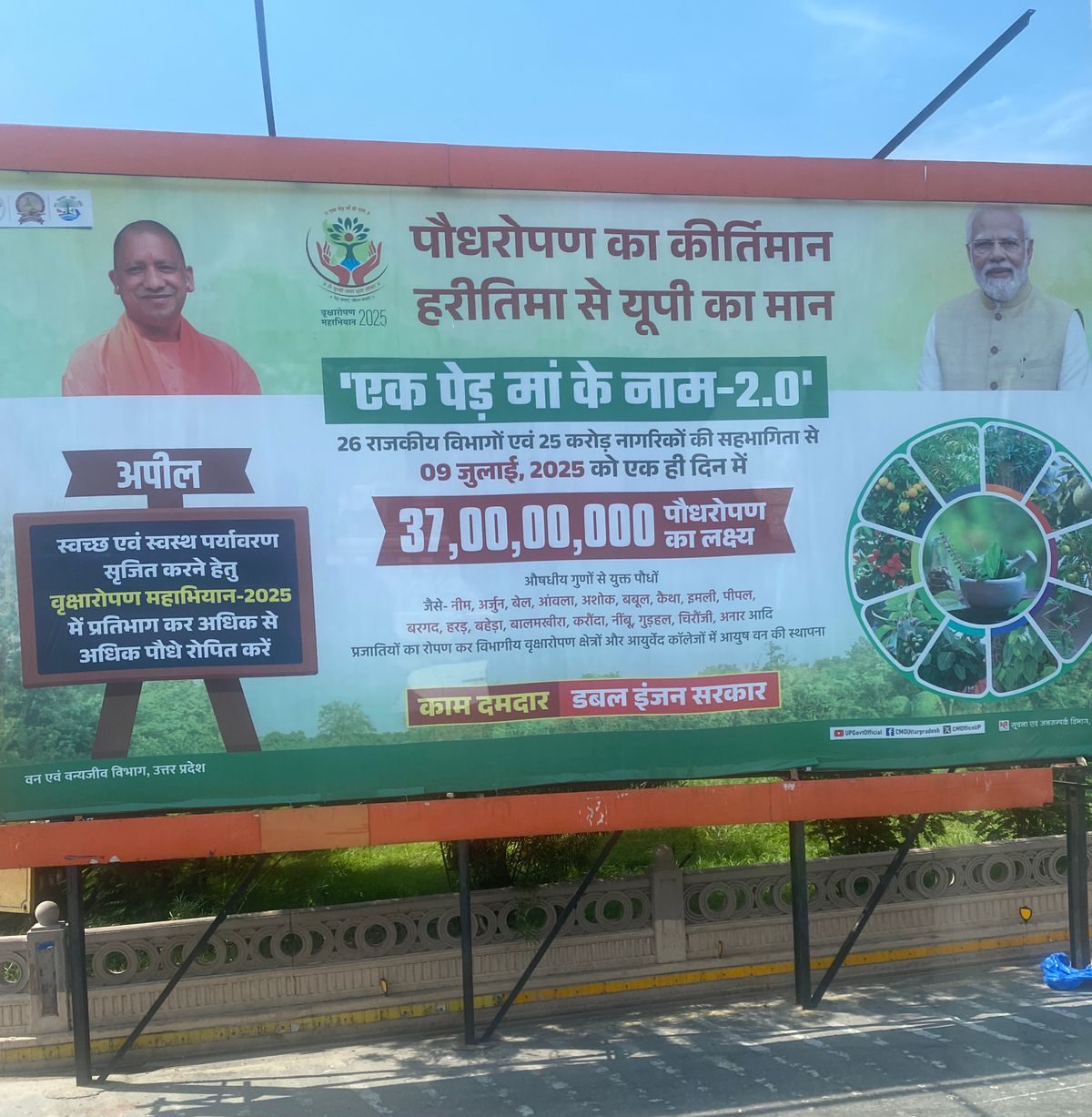
The ‘One Tree in the Name of Mother 2.0’ campaign, jointly launched by Prime Minister Narendra Modi and Delhi Chief Minister Rekha Gupta, brings fresh energy to Delhi’s greening efforts. Tree plantations in schools, community areas, and public places have actively involved citizens in creating a green and sustainable environment.
Given global climate change, green city initiatives are highly relevant for Nepal. For climate-vulnerable Nepal, bilateral cooperation with India in urban management, green infrastructure development, and smart environmental technology is essential. It can ease environmental pressure in cities like Kathmandu, support eco-friendly infrastructure, and strengthen urban governance.
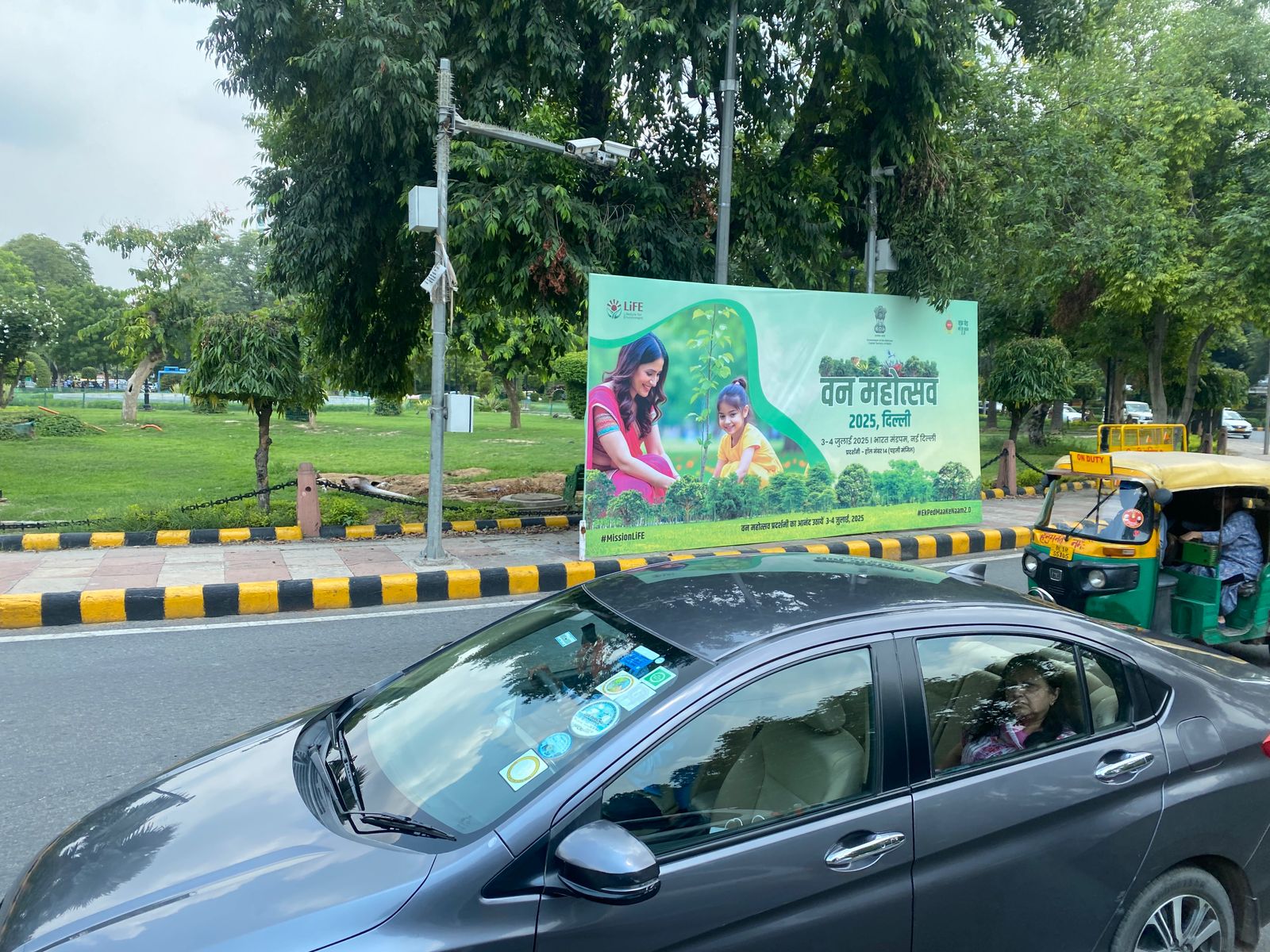 New Delhi
Once synonymous with pollution, Delhi is now progressing rapidly toward green urbanization. Tree planting, the Swachh Bharat campaign, and community involvement are making Delhi one of the greenest cities in the world. Morning yoga in parks, the use of cycling lanes, and active citizen participation are revitalizing public health and urban discipline.
The research center at IIT Delhi revealed possibilities for Nepal–India tech partnerships. Observing studies in AI, smart health systems, water quality monitoring, wireless charging, and city management, I realized how Nepali youth can collaborate with such institutions to enhance national capacity.
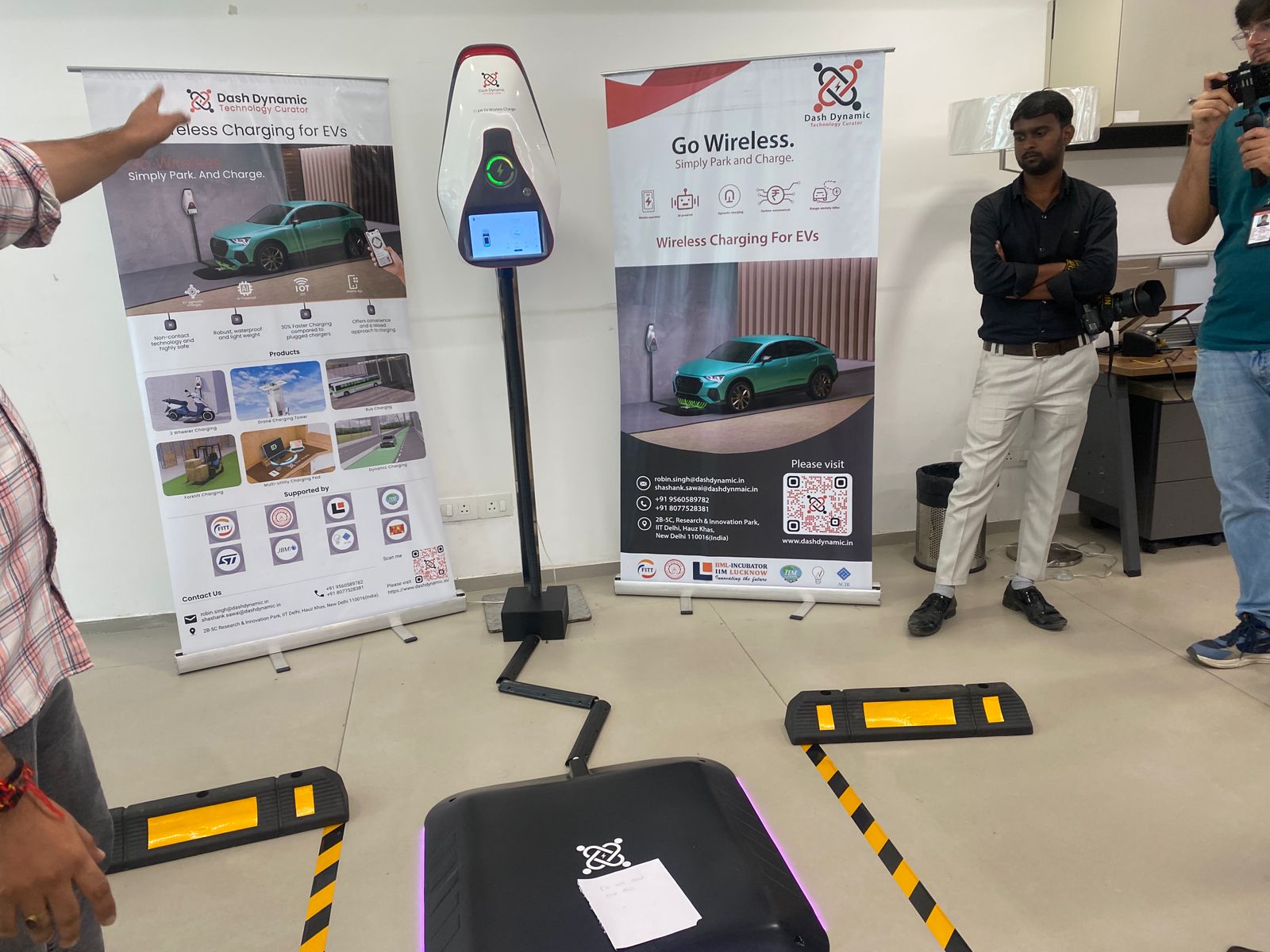 IIT Delhi
Rashtrapati Bhawan Visit
During the Delhi visit, our team toured Rashtrapati Bhawan, India’s Presidential Residence and Office. Spread over 130 hectares, with more than 340 rooms, its grand architecture, historic paintings, and archaeological collections symbolize India’s rich political and cultural heritage.
Key national events—including the oath-taking ceremonies of the President, Prime Minister, and Ministers, military honors, and the Bharat Ratna awards—take place here. It serves as a formal launchpad for political practice in the world’s largest democracy.
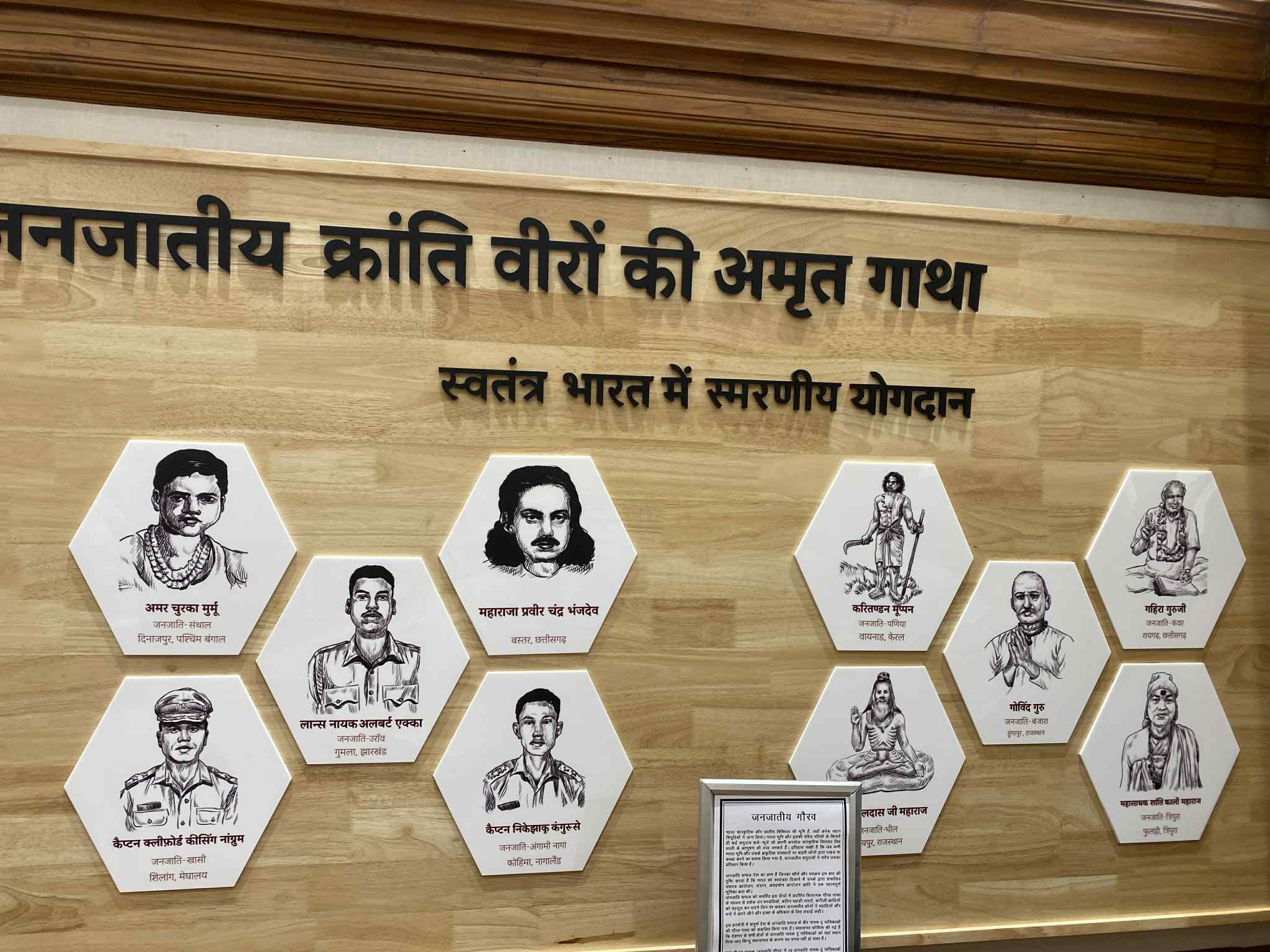
FICCI Interaction
At the Federation of Indian Chambers of Commerce and Industry (FICCI), discussions centered on how to make Nepal–India trade relations more effective, inclusive, and quality-driven. It was concluded that trade must move beyond traditional buying and selling—both countries should deepen cooperation in green energy, innovation-based industries, and the startup ecosystem.
Modernizing economic ties in line with research, tech transfer, investment, and youth entrepreneurship was emphasized.
At the Coalition for Disaster Resilient Infrastructure (CDRI), I learned about disaster management and capacity-building efforts. Nepali institutions like Tribhuvan University and ICIMOD collaborate with CDRI.
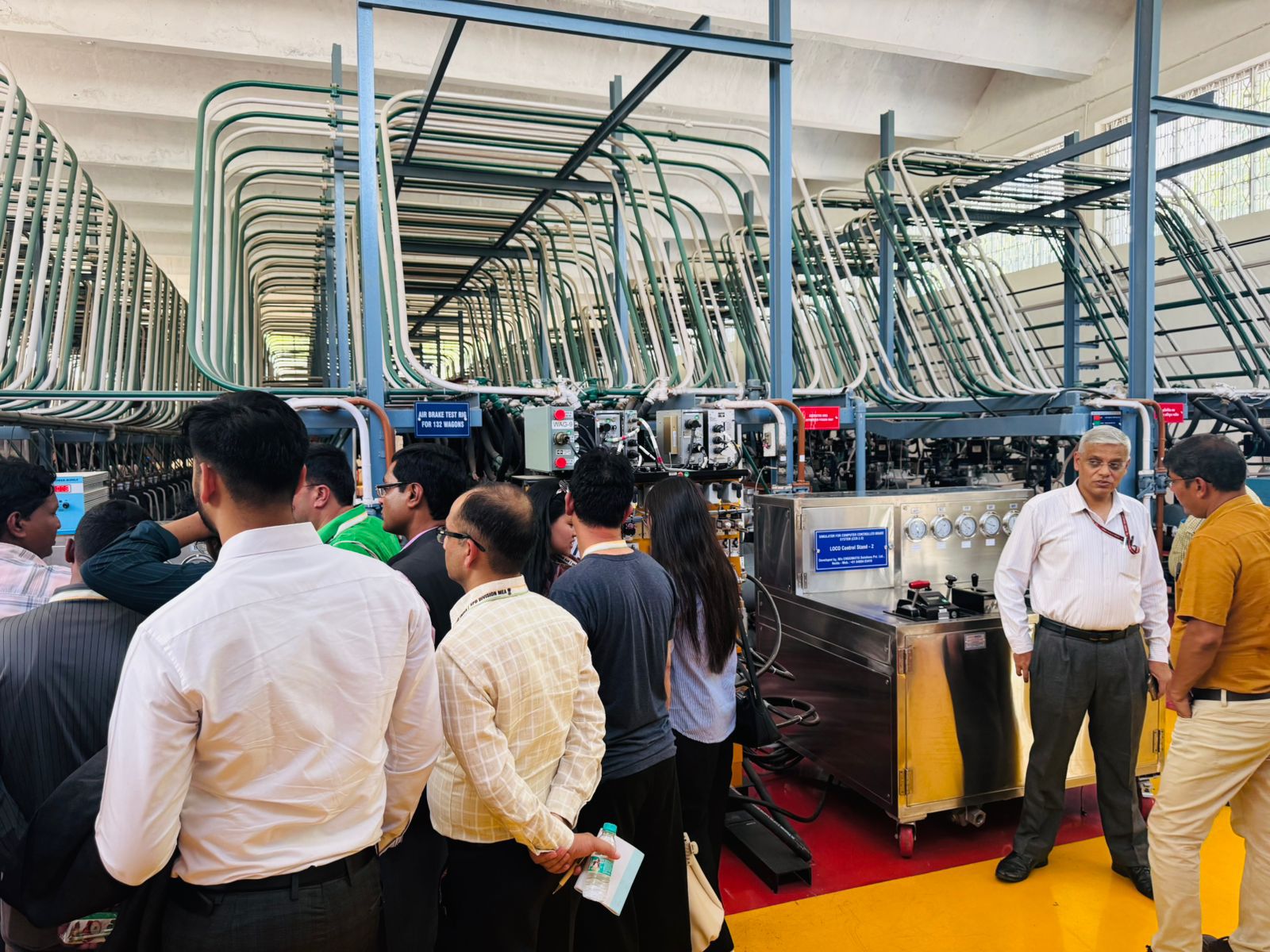 RDSO in Lucknow
Rail Safety Technology: Kavach
At the RDSO in Lucknow, I explored the Kavach system—a cutting-edge rail safety technology. It ensures safe distances between trains, prevents signal violations, and helps control train speeds. As Nepal begins developing its rail services, adopting the Kavach system could greatly enhance safety.
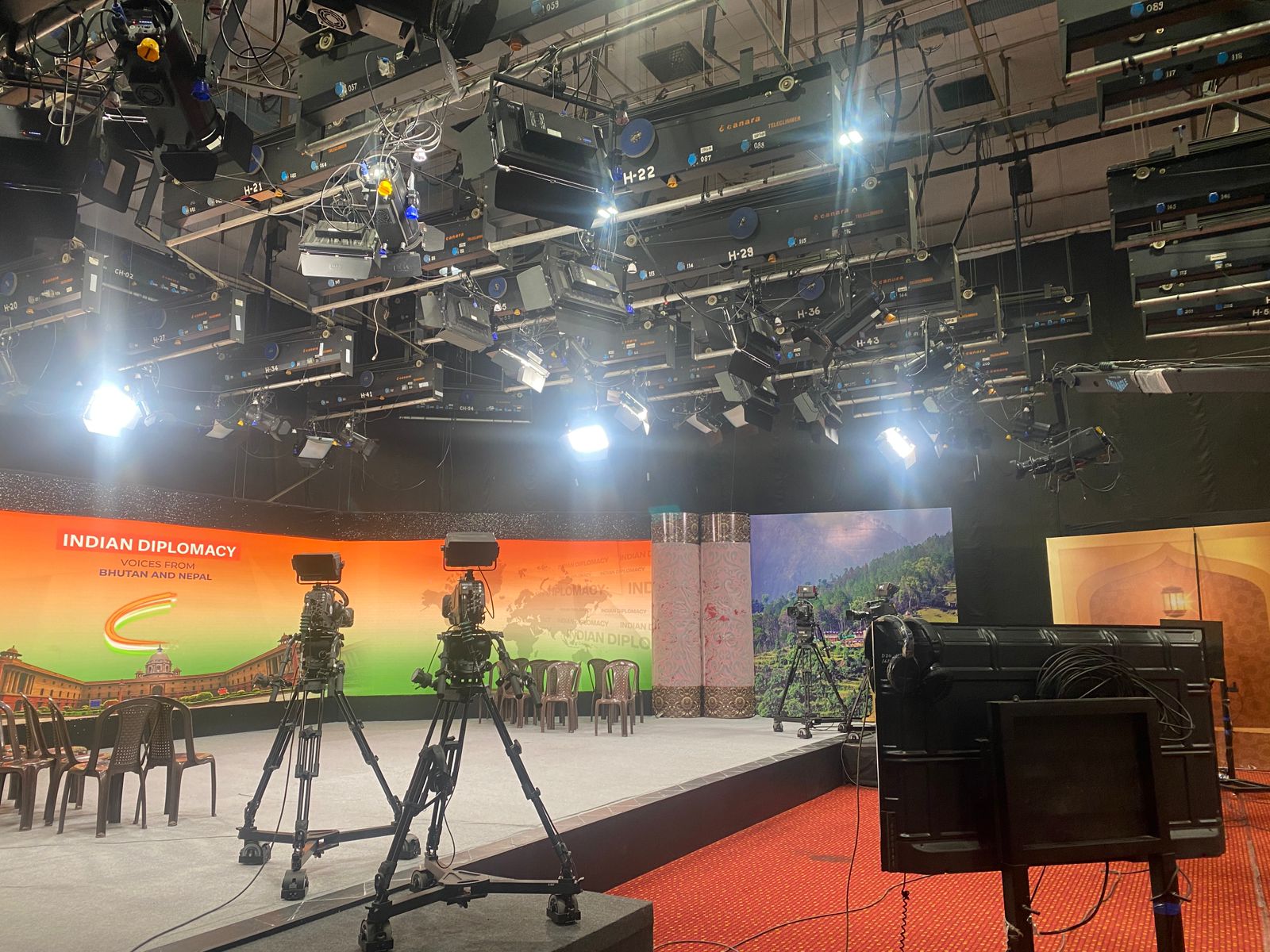 Durdarshan studio
Communication and Emotional Diplomacy
At ANI and Doordarshan, I understood the deeper role of communication in diplomacy. Sitting in Doordarshan’s studio, reflecting on the concept of "emotional diplomacy" between Nepal and India, I realized the value of shared human experiences.
Our discussions included shared challenges, youth engagement, open border usage, and meaningful information exchange. Nepal–India relations must go beyond formality—toward intimacy in daily communication and public discourse.
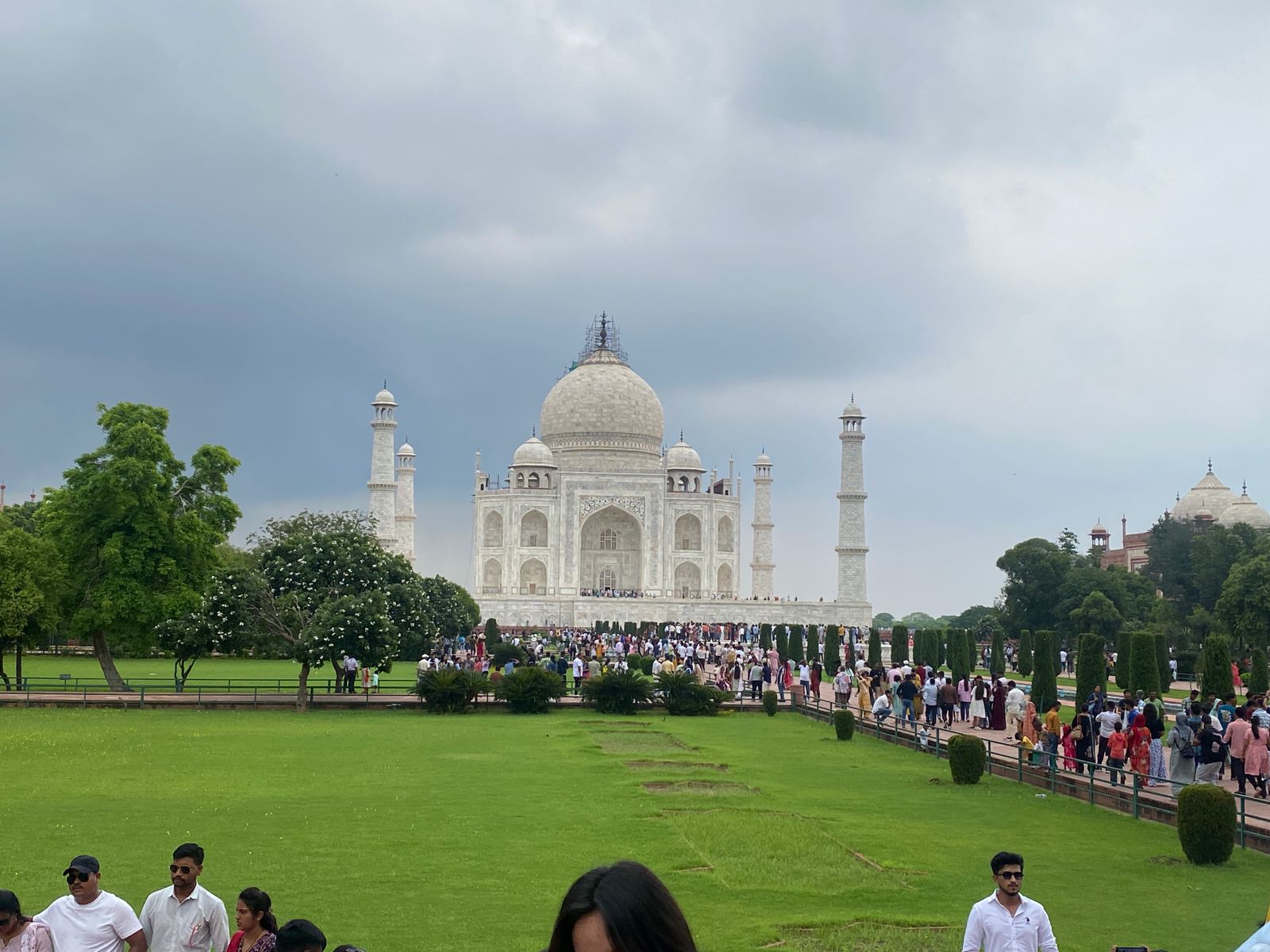 Taj Mahal
Agra: Green Management of Historical Glory
A visit to Agra showcased not just the Taj Mahal, but also cleanliness, traffic systems, and environmental awareness. It inspired the idea of developing Nepal’s heritage sites into similarly organized, attractive destinations. The stone-carving workshops emphasized the importance of promoting Nepali handicrafts in global markets.
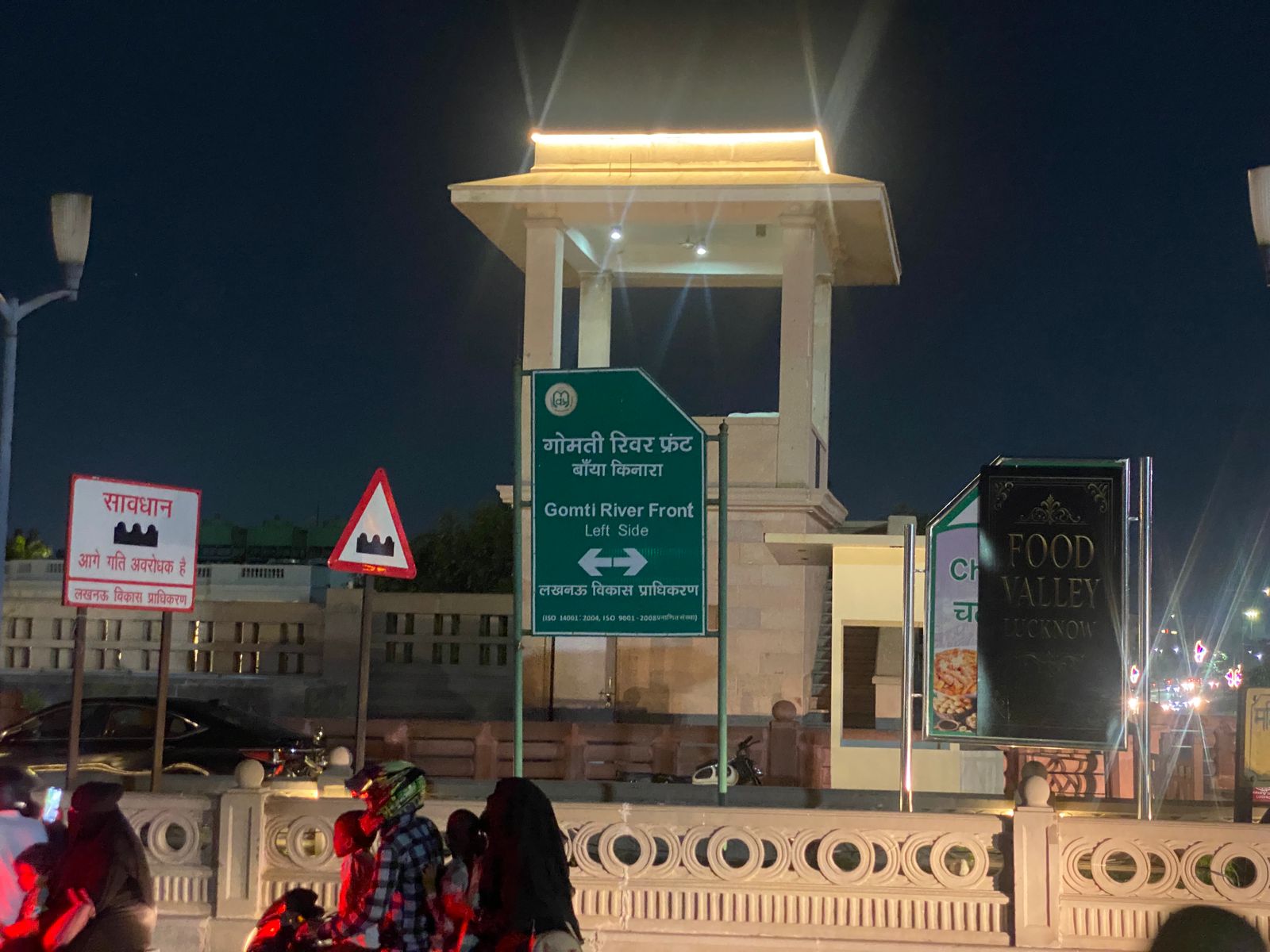 Gomti River Front in Lucknow
Lucknow: Cultural Affinity and Sustainable Development
In Lucknow, I sensed cultural closeness and witnessed urban development that blends Nawabi elegance with sustainability. The Gomti Riverfront Project—featuring parks, bike lanes, and exercise zones—demonstrates how cities can balance ecology and modern lifestyle. Inspired by this, Kathmandu’s Bagmati campaign could follow a similar approach.
Evenings along the river, with lights, flower gardens, and cultural expressions, created a vision of a prosperous, orderly city.
Social Behavior and Women’s Safety
Local behavior in Lucknow was exemplary. Many residents credited the ‘Yogi government’ for improvements in women’s safety. One rickshaw driver told me, “Now, daughters in Lucknow can work all night and return home safely.” Urban development clearly shapes social behavior too.
Educational and Industrial Centers
A visit to IIM Lucknow underscored the importance of leadership and policymaking. Institutions like this—education and entrepreneurship hubs—can partner with Nepali universities.
The CSIR’s Medicinal and Aromatic Plants Research Center offered insights into herbal research that could benefit Nepal’s bio-economy.
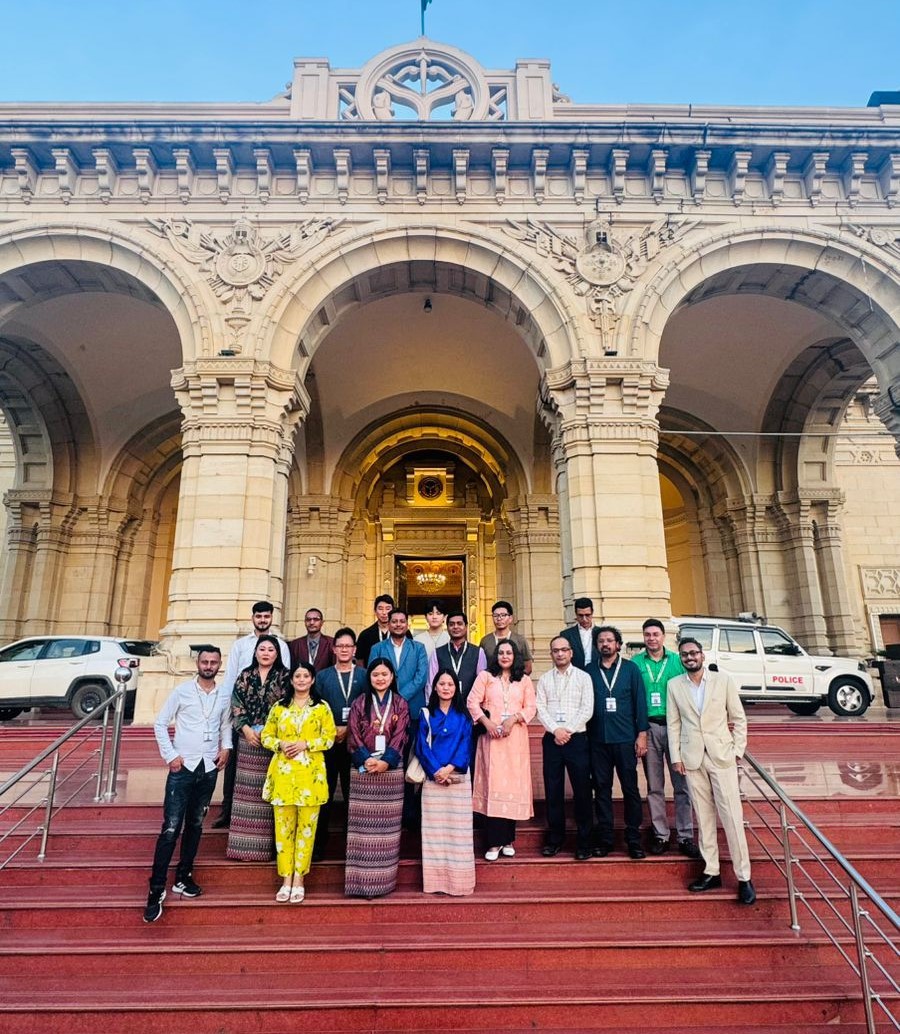 Uttar Pradesh Legislative Assembly Building in Lucknow
Assembly Visit: Inclusive Democracy
The Uttar Pradesh Assembly Building showcased inclusive democracy and multiparty representation. Leaders from all backgrounds participate in lawmaking here. The newly built section of the assembly, with modern design, symbolizes progressive governance.
HAL Center
At Hindustan Aeronautics Limited (HAL), I learned about defense technologies, including Tejas fighter jets and drones. With potential research and training partnerships, Nepal can benefit from India’s growing self-reliance in defense.
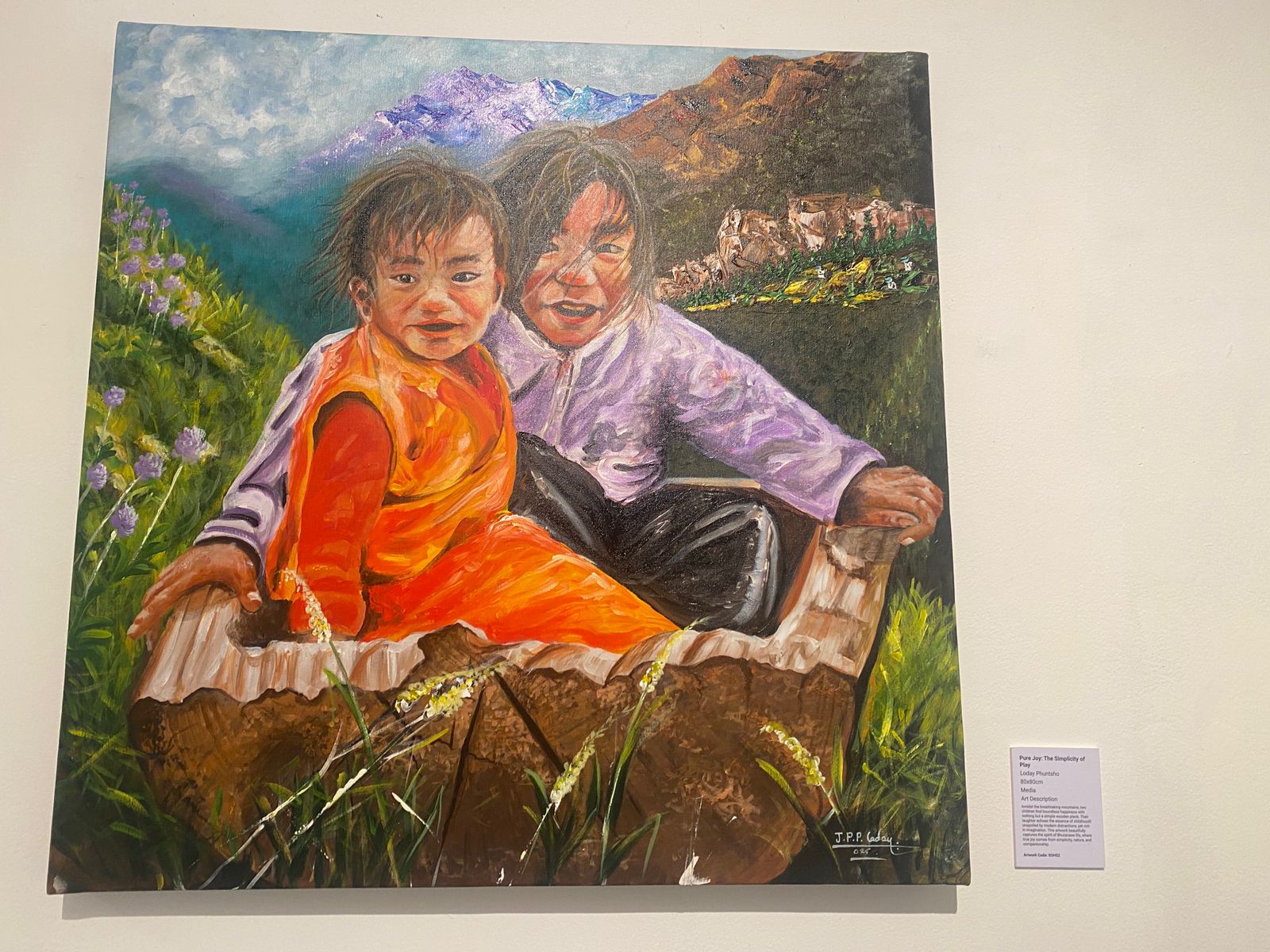 Bhutanese' Painting
Our group of 20 journalists—10 each from Nepal and Bhutan—deepened regional ties. The exchange of culture and dialogue at a Bhutanese painting exhibition in Delhi reflected South Asian brotherhood.
The journey took place from July 2–9, organized by India’s Ministry of External Affairs with support from the Indian Embassy in Kathmandu.
Conclusion
Kathmandu’s collaboration with Delhi and Lucknow should now prioritize economic revival, tech advancement, and a shared future. Insights from this visit can shape Nepal’s policies and partnerships.
By utilizing the open border wisely, we can build long-term, balanced, and cooperative neighborly relations—rooted in technology and economic growth, not political disputes.
Let’s not forget—during Nepal’s 2015 earthquake, India was the first to respond. That goodwill and trust remain the cornerstone of our relationship. Disaster preparedness and technology remain vital for Nepal’s future.
A shared digital future, green development, and powerful innovation partnerships must guide the next phase of Nepal–India cooperation. And Delhi and Lucknow have a major role in shaping Nepal’s tourism future.
By expanding tourism to include health, religious, adventure, and rural experiences, Nepal can move closer to self-reliance—with Delhi and Lucknow as key collaborators.
Navraj Pandey
07/27/2025 04:18 AM EDT9 min read