Nepal votes: Deuba exits, Oli holds ground, Dahal eyes Rukum

NRNHub
01/20/2026 01:04 AM EST3 min read

Kathmandu: Election fever is catching up.
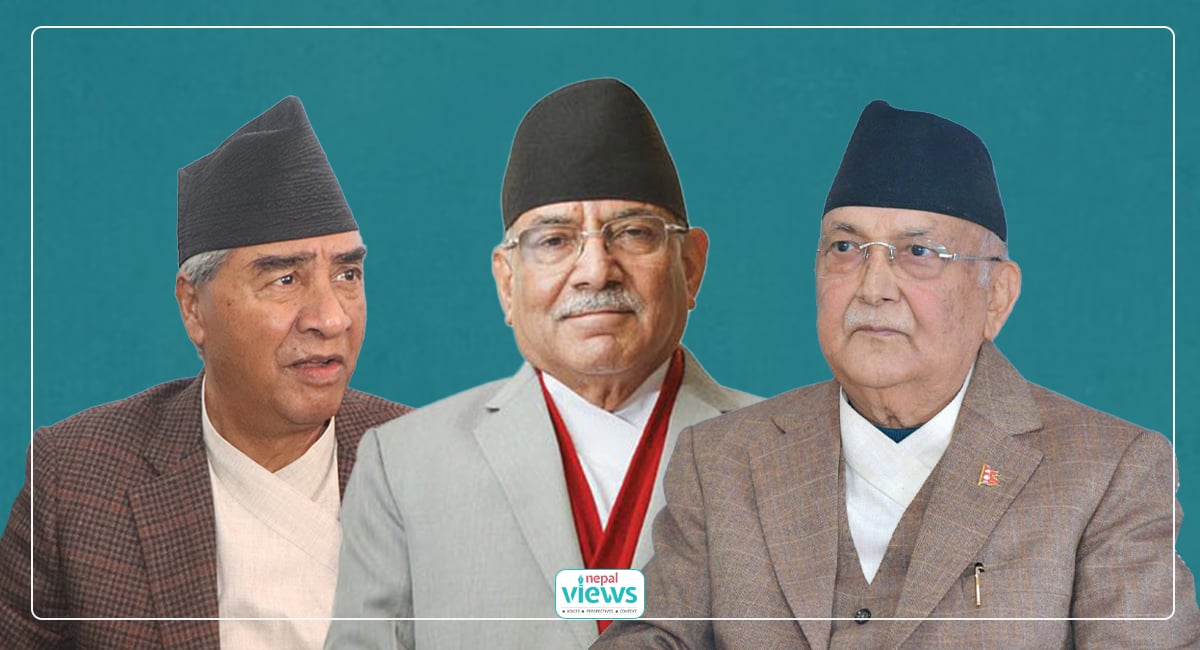
As parties finalise their first-past-the-post candidates, with nominations on Tuesday (January 20), attention focused on where three former prime ministers — Sher Bahadur Deuba, KP Sharma Oli and Pushpa Kamal Dahal — would contest from.
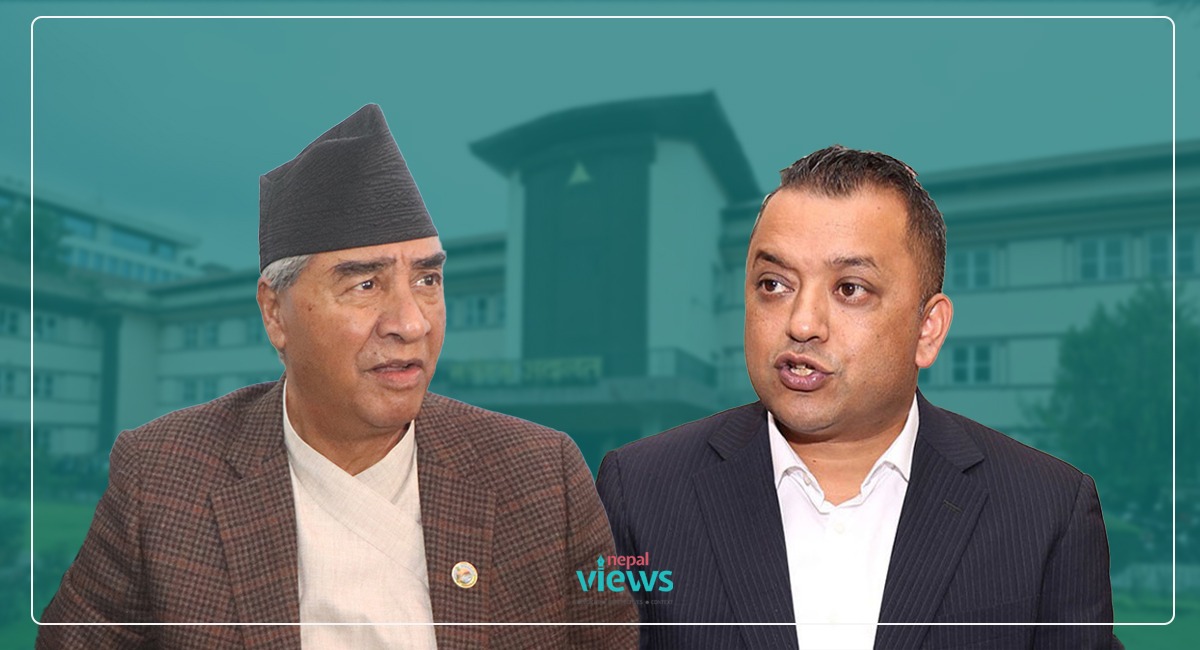
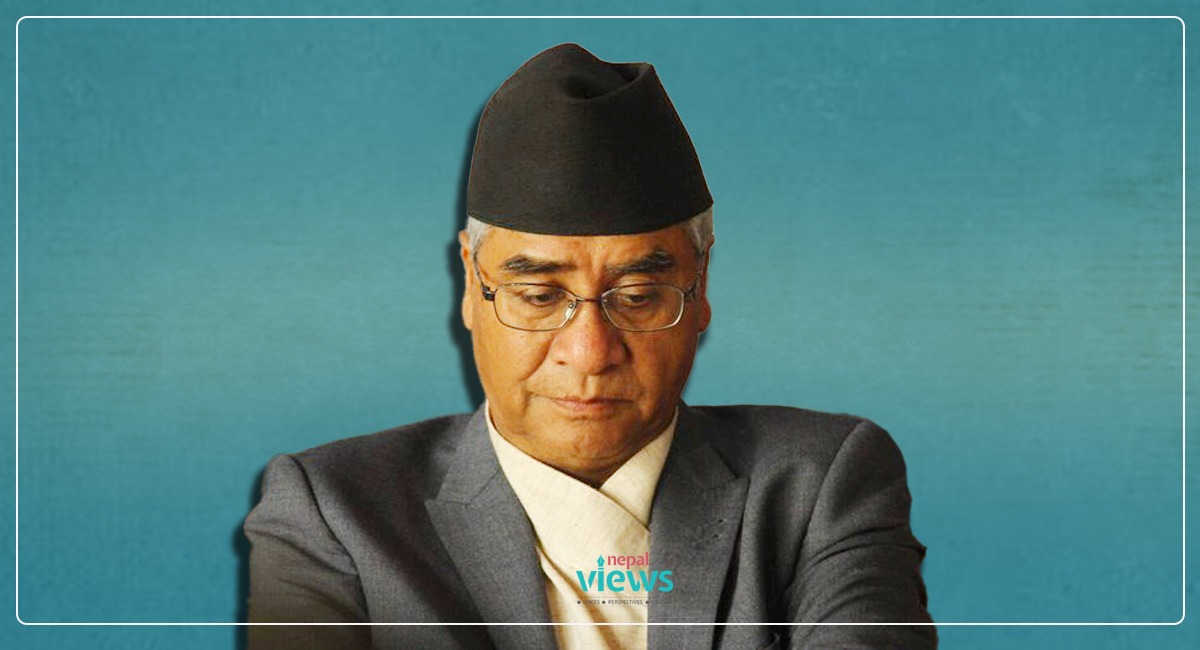
It is now official that Deuba is out of the race. His party, the Nepali Congress, has denied him a ticket, and his secretariat subsequently issued a statement confirming that he will not contest this election.
“This is to inform that former prime minister and former president of the Nepali Congress, Sher Bahadur Deuba, is not running in the upcoming elections to the House of Representatives,” said Bhanu Deuba, Sher Bahadur Deuba’s personal aide.
Deuba, Oli and Dahal have been central figures in Nepal’s revolving-door politics, though their relevance in recent times has increasingly come under scrutiny. The March 5 election follows the September Gen Z–led protests that demanded an end to corruption and misgovernance, along with a generational shift in Nepali politics.
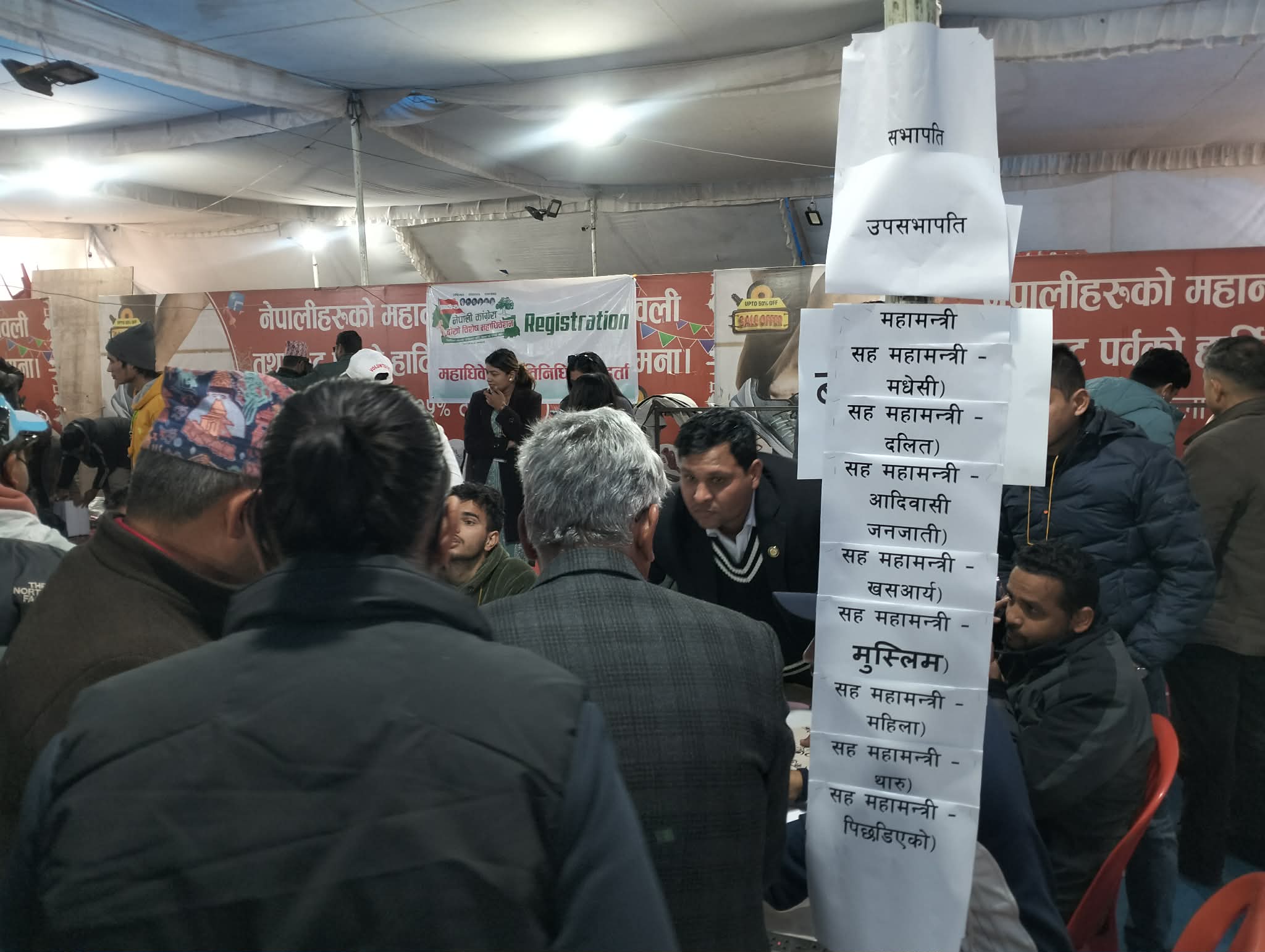
Recent infighting in the Nepali Congress had left the country’s oldest party split, putting Deuba’s candidacy in doubt. The five-time prime minister had won every election since 1991 from Dadeldhura-1. A special convention held last week ended his long tenure as party president and installed new leadership under Gagan Thapa.
KP Sharma Oli, 73, a three-time prime minister, continues to hold firm control over the CPN-UML. He was elected party chair for a third term at the party’s general convention in December after amending the party statute. Oli is contesting from Jhapa-5, the constituency he won in the 2022 elections. Except for a defeat in 2008, he has won every election since 1991.
This time, Oli will face Balendra Shah, the Kathmandu mayor, who has stepped out of city hall and is contesting on the Rastriya Swatantra Party (RSP) ticket, eyeing the prime ministerial post.
Pushpa Kamal Dahal, 71, has frequently shifted constituencies since contesting his first parliamentary election in 2008, two years after his Maoist party laid down arms and joined mainstream politics. That year, he contested from Rolpa-2 and Kathmandu-10, winning both. In the 2013 Constituent Assembly elections, he won Siraha-5 but lost Kathmandu-10.
After candidates were barred from contesting from two constituencies, Dahal ran from Chitwan-3 in 2017 and won. In 2022, he moved to Gorkha-2 and won again. This time, however, Dahal does not see Gorkha as a safe seat and is set to contest from Rukum East, a Maoist stronghold during the 1996–2006 civil war, along with Rolpa.
Dahal will face Congress candidate Kusum Thapa and UML’s Lilamani Gautam in Rukum East.
Dahal has shed the Maoist label from his party and now serves as coordinator of the Nepali Communist Party, a bloc of left-leaning parties.
Despite his party finishing third in the 2022 elections with 32 seats, Dahal became prime minister through shifting alliances — first with Oli and later with Deuba. In July 2024, however, Oli and Deuba sidelined Dahal to form their own coalition government, with Oli as prime minister.
That government was in power when nationwide protests erupted on September 8–9. At least 76 people were killed during the unrest. Oli resigned and fled on September 9, a day after police firing killed 19 people — a figure later revised to 22.
Deuba was assaulted at his residence, and the homes of all three leaders were burned down by demonstrators.
The Gen Z uprising triggered demands for leadership change within the Nepali Congress, leading to the special convention that removed Deuba from the party presidency. While Oli retained control of the UML, Dahal regrouped by stitching together the Nepali Communist Party bloc.
With Deuba axed by the Nepali Congress, one of the three dominant figures of Nepal’s contemporary politics is no longer in the race.
NRNHub
01/20/2026 01:04 AM EST3 min read